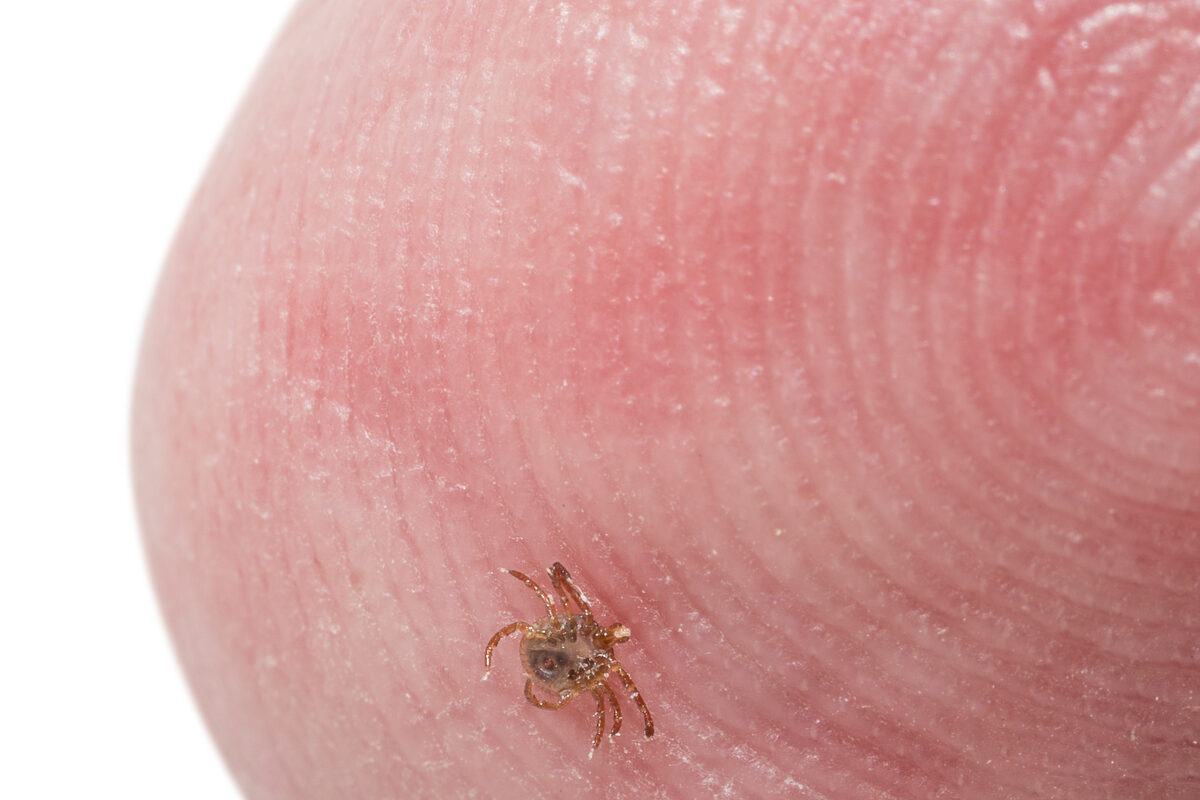
Climate change is pushing tick populations north, and emergency room visits are at decade highs.
Emergency room visits for tick bites hit their highest levels since 2017 this year, with the Northeast seeing the biggest spike. The CDC's Tick Bite Tracker shows every region except the South Central states reporting record weekly visits. An estimated 31 million Americans get bitten by ticks annually, and those numbers are climbing as warmer temperatures help tick populations survive winters in places they couldn't before.
Here's what's actually happening: climate change isn't just making summers hotter—it's making winters milder. Ticks that used to die off in northern areas now survive and multiply. Add recovering deer populations (ticks' favorite hosts) and suburban sprawl into wooded areas, and you get more human-tick encounters than ever. The old advice about avoiding deep woods is outdated. Ticks are now thriving in suburban parks and hiking trails.
The timing matters because Lyme disease—carried by about 30% of blacklegged ticks—is easiest to treat early. The classic bull's-eye rash only appears in 70% of cases, and symptoms can take up to 30 days to show. Untreated Lyme can cause joint pain, heart problems, and neurological issues that last months or years.
What You Can Actually Do Today
- Do a full-body tick check within two hours of any outdoor activity, focusing on warm spots like armpits, groin, behind ears, and between toes
- Shower immediately after hiking or yard work—it removes unattached ticks and makes attached ones easier to spot
- Keep tweezers in your medicine cabinet and learn proper tick removal technique: grasp close to skin, pull straight up steadily
See a doctor if you develop fever, rash, or joint pain within 30 days of a tick bite.