Eli Lilly's experimental drug helped people lose an average of 85 pounds in two years—matching surgical results.
An experimental drug called retatrutide just delivered the biggest weight loss numbers ever seen in a medication trial. People taking the highest dose lost an average of 30% of their body weight over two years—that's about 85 pounds for someone starting at 280 pounds. To put this in perspective, that matches what you'd typically see from weight loss surgery, but delivered through a weekly injection instead of going under the knife.
Here's what makes this different from Ozempic and similar drugs: retatrutide hits three hormone targets instead of just one. It activates GIP, GLP-1, and glucagon receptors, which seems to create a more powerful appetite and metabolism effect. The trial included 774 people with obesity, and even the lowest dose (4 mg) produced an average 19% weight loss. The placebo group lost just 2.2%, so this isn't about lifestyle changes alone.
Beyond the scale numbers, participants saw real improvements in cardiovascular risk markers—blood pressure, cholesterol, and waist circumference all improved significantly. This matters because obesity isn't just about weight; it's about reducing your risk of heart disease, diabetes, and other chronic conditions. The side effects were similar to existing GLP-1 drugs: nausea, diarrhea, and constipation were most common, though most people stuck with the treatment.
What You Can Actually Do Today
- If you're considering weight loss medication, research your insurance coverage now—newer obesity drugs often aren't covered initially
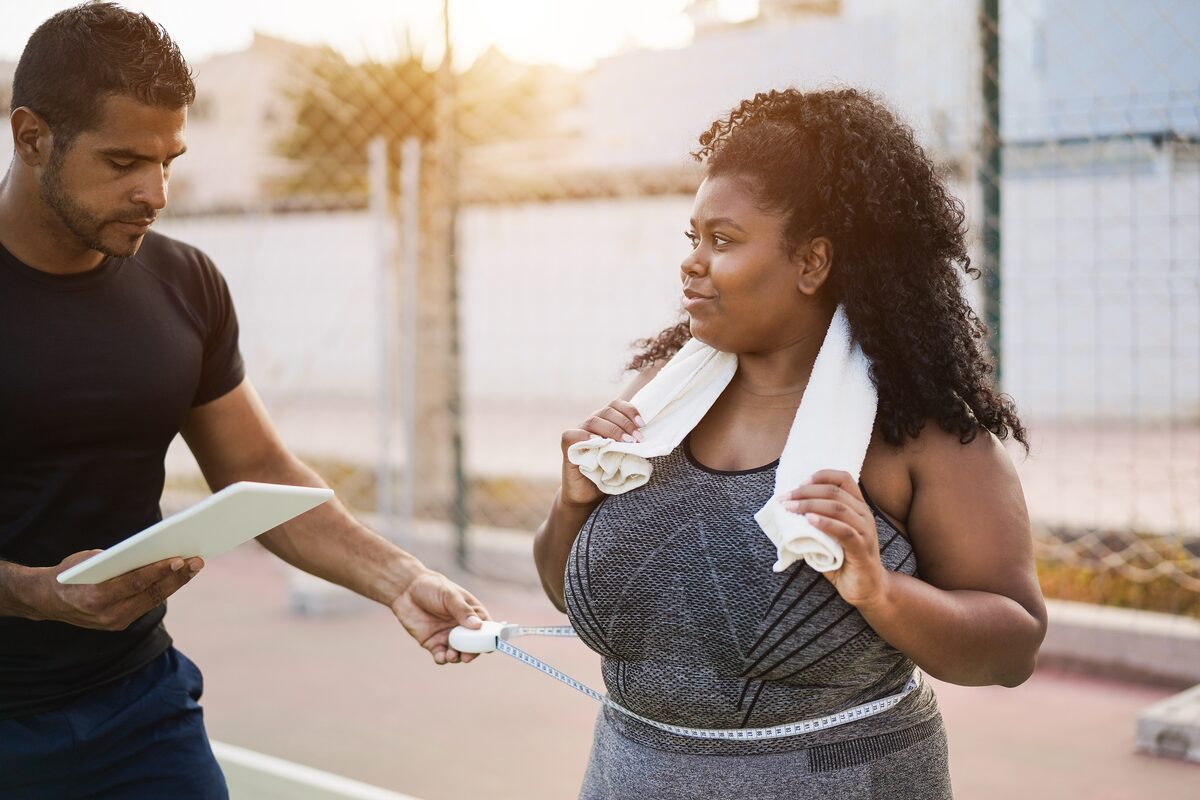
- Track your current weight and key health markers (blood pressure, waist circumference) to establish a baseline for future treatment discussions
- Start building sustainable eating habits today rather than waiting for a medication solution—these drugs work best combined with lifestyle changes
This drug is still experimental and not yet FDA-approved for general use.