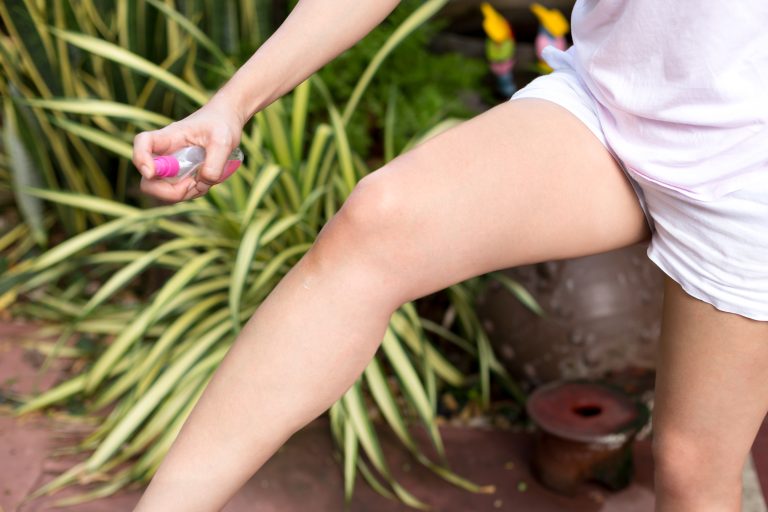
The FDA just approved bemotrizinol, which fixes the biggest problem with American sunscreens: lousy UVA protection.
After two decades of regulatory stagnation, the FDA approved bemotrizinol—a sunscreen ingredient that's been standard in European and Asian sunscreens since the early 2000s. Unlike most American sunscreen chemicals that barely touch UVA rays, bemotrizinol blocks both UVA and UVB effectively. It's also photostable, meaning it won't break down in sunlight like older filters do.
Here's what this actually means: lighter sunscreens that don't feel like paste and won't turn you into a ghost. Bemotrizinol works at lower concentrations than current ingredients, so formulators can make products that feel more like moisturizer. The real win is UVA protection—those deeper-penetrating rays that cause aging and skin cancer but don't give you the warning signal of a sunburn.
This matters because most Americans use terrible sunscreen technique. We apply half the recommended amount and skip reapplication. When sunscreen feels heavy or looks chalky, compliance gets even worse. Better-feeling products mean people might actually use them properly, which trumps any technical advantage of ingredients they avoid.
What You Can Actually Do Today
- Keep using your current SPF 30+ broad-spectrum sunscreen properly—one ounce for your whole body, reapplied every two hours
- Look for products containing bemotrizinol (marketed as PARSOL Shield) starting in late 2026 if you want lighter-feeling options
- Focus on consistency over perfection—daily sunscreen use with an OK product beats perfect technique with sunscreen you hate wearing
Sunscreen prevents skin cancer and aging damage. Any broad-spectrum SPF 30+ used consistently beats sporadic use of premium products.