New research shows mosquitoes learn to associate DEET with food sources, becoming attracted to the very chemical meant to repel them.
Virginia Tech researchers trained mosquitoes to associate DEET with feeding by repeatedly exposing them to the repellent while blood was nearby. After just four exposures, over 60% of mosquitoes actively sought out DEET instead of avoiding it. When given a choice between DEET-covered and untreated hands, the trained mosquitoes chose the chemical-treated skin. This completely flips our understanding of how repellents work.
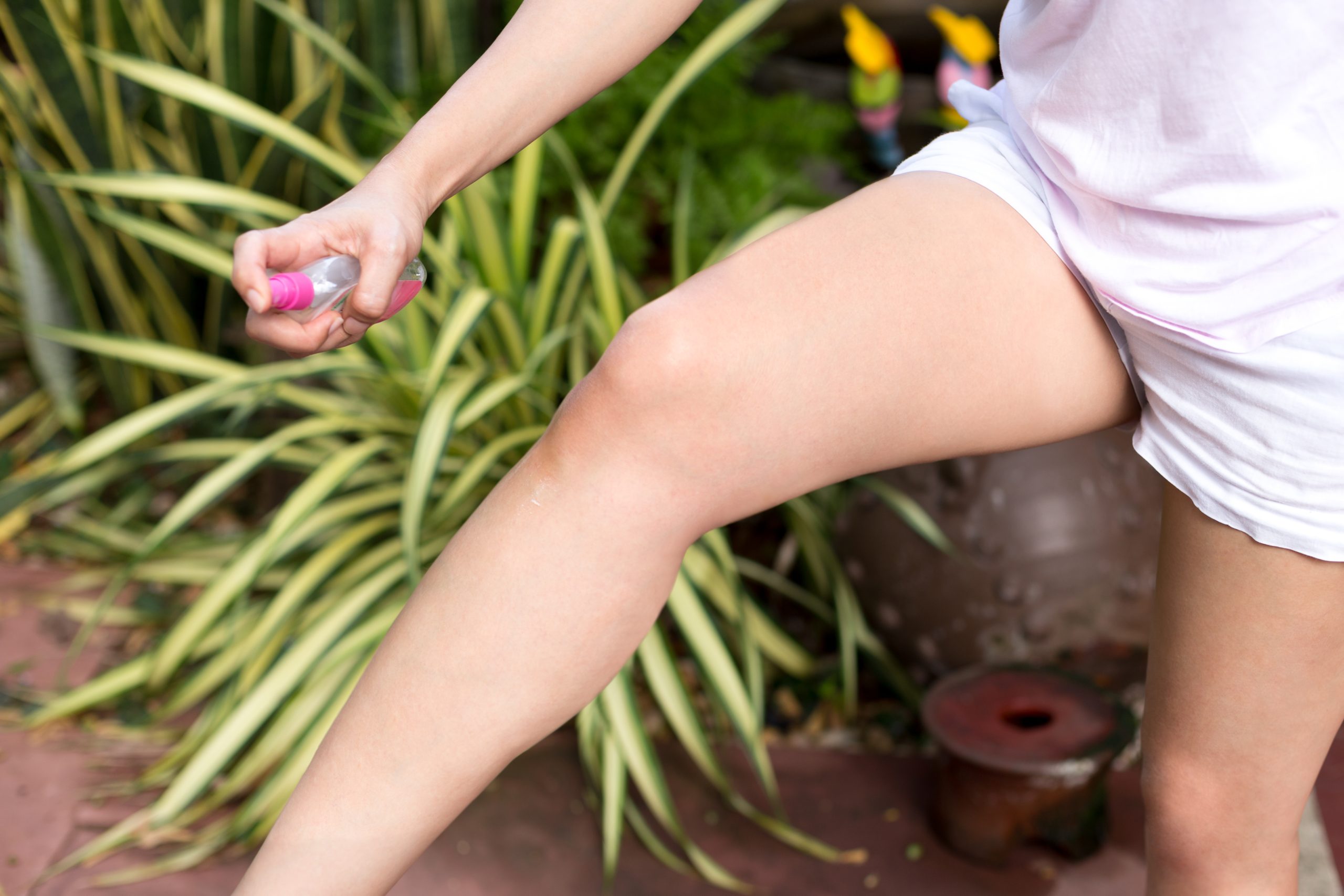
This matters because it means your mosquito protection strategy needs an update. Instead of loading up with DEET once and calling it good, frequent reapplication at lower concentrations works better. The timing matters more than the amount. Your brain thinks more chemical equals more protection, but mosquito brains are learning that DEET smell means dinner time if you give them enough chances to make that connection.
Beyond the DEET revelation, the research confirms mosquitoes choose victims based on CO2 output, skin temperature, and chemical compounds in your sweat. Beer drinkers attract more mosquitoes, possibly due to smell rather than blood alcohol. Since mosquitoes transmit malaria, Zika, dengue, and yellow fever, getting this right matters for more than just comfort.
What You Can Actually Do Today
- Reapply DEET repellent every 2-3 hours in light coats instead of one heavy application
- Switch to light-colored, long-sleeved clothing for outdoor evening activities this month
- Remove standing water sources around your home including plant saucers, toys, and clogged gutters
This article discusses general mosquito prevention. Consult healthcare providers for travel to disease-endemic areas.