Losing 10-15% of body weight reduces sleep apnea symptoms by up to 50% in people with obesity.
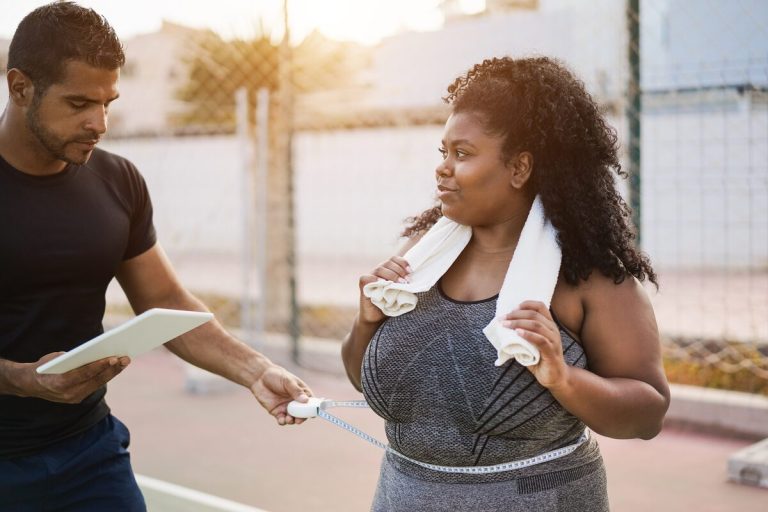
If you have sleep apnea and carry extra weight, here's the most important number to know: losing just 10-15% of your body weight can reduce your sleep apnea severity by up to 50%. That means if you weigh 200 pounds, losing 20-30 pounds could dramatically improve how well you breathe at night. This isn't wishful thinking—it's what clinical studies consistently show.
The connection makes biological sense. Extra weight around your neck literally squeezes your airway shut when you lie down. CPAP machines work, but 30-60% of people can't stick with them long-term. The mask feels claustrophobic, the air pressure is uncomfortable, or it just doesn't fit their lifestyle. Weight loss attacks the root cause instead of managing symptoms.
Sleep apnea isn't just about snoring or feeling tired. Untreated, it raises your risk of high blood pressure, heart disease, and stroke. But here's the encouraging part: unlike many health conditions that get worse with age, sleep apnea often improves dramatically when you lose weight. Your airways open up, oxygen levels stabilize, and your cardiovascular system gets a break.
What You Can Actually Do Today
- Track your sleep for one week using your phone's built-in sleep app to establish baseline symptoms
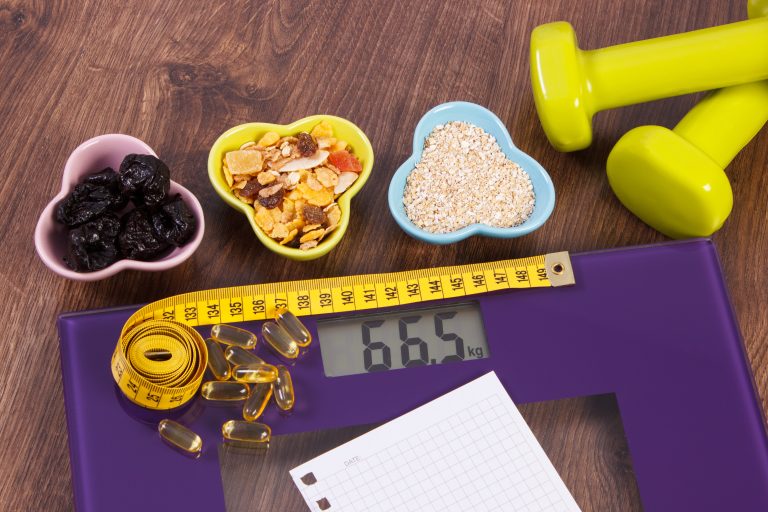
- Calculate 10% of your current weight as your first target—this is where sleep apnea benefits typically begin
- Schedule a sleep study if you snore loudly, wake up gasping, or feel exhausted despite sleeping 7+ hours
Sleep apnea can be dangerous if untreated. See a doctor for proper diagnosis and treatment options.