New research shows these industrial foods dramatically increase cardiovascular death risk, but simple kitchen swaps can cut your exposure.
Adults who eat the most ultra-processed foods face a 65% higher risk of dying from cardiovascular disease compared to those who eat the least. That's the finding from a comprehensive analysis of existing research by European cardiologists. They also found a 19% higher risk of coronary artery disease and 13% higher risk of atrial fibrillation. The scientists are calling for doctors to stop ignoring this evidence when giving dietary advice.
Here's what they mean by ultra-processed: foods made from industrial ingredients you wouldn't use at home, loaded with additives for flavor, texture, and shelf life. Think packaged snacks, sweetened cereals, deli meats, and bottled salad dressings. These foods now make up over half the American diet. The problem isn't just the obvious junk food—many products marketed as healthy options are heavily processed too.
The mechanism is straightforward: these foods are engineered to override your natural satiety signals while delivering excessive sodium, added sugars, and inflammatory fats. They also disrupt gut bacteria and crowd out genuinely nutritious foods. The good news is that switching to whole foods doesn't require perfection—just consistent choices that favor ingredients over industrial formulations.
What You Can Actually Do Today
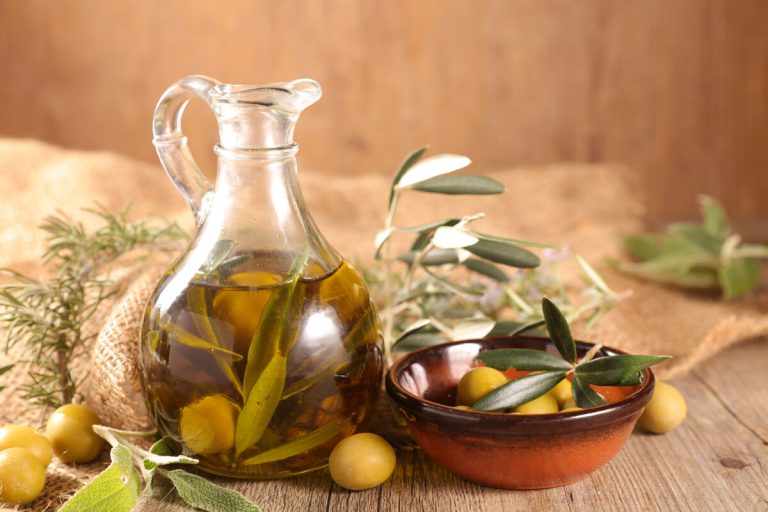
- Make your own salad dressing this week using olive oil, vinegar, and basic seasonings instead of buying bottled versions
- Replace one ultra-processed snack with whole foods: nuts instead of crackers, fruit instead of fruit snacks, plain yogurt with fresh berries instead of flavored varieties
- Cook three more meals at home this month using single-ingredient foods: vegetables, grains, legumes, and unprocessed proteins
This information is educational only and not a substitute for personalized medical advice from your healthcare provider.