Yale research reveals oleic acid from olive oil accelerated tumor growth in mice, while omega-3s cut cancer risk 50%.
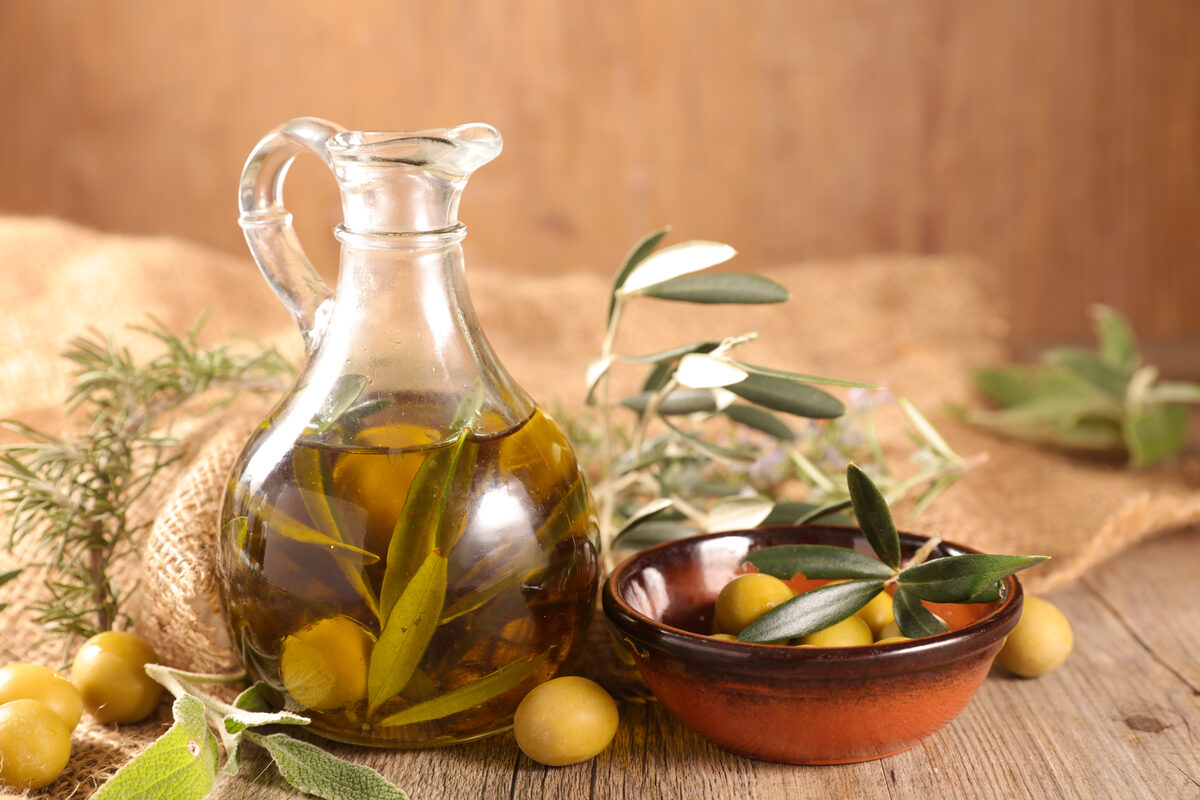
Olive oil just lost some of its health halo. Yale researchers found that oleic acid—the main fat in olive oil—sped up pancreatic tumor growth in mice by 50%, while omega-3 fats from fish oil cut cancer development in half. The mechanism matters: oleic acid protects cancer cells from a natural death process called ferroptosis, essentially helping tumors survive when they should die.
This flips the script on fat advice. For decades, we've focused on eating less fat to prevent cancer. These findings suggest the type of fat matters more than the amount. Oleic acid shows up everywhere—olive oil, peanuts, high-oleic cooking oils. Meanwhile, the protective omega-3s come mainly from fatty fish and fish oil supplements. The effect was dramatic enough that researchers could predict tumor burden based on the ratio of these fats.
Pancreatic cancer kills 85% of patients within five years, making prevention critical. While this research used cancer-prone mice, the biological mechanism applies to humans. The takeaway isn't to fear olive oil entirely, but to balance it with omega-3-rich foods, especially if you have diabetes, obesity, or family history of pancreatic cancer.
What You Can Actually Do Today
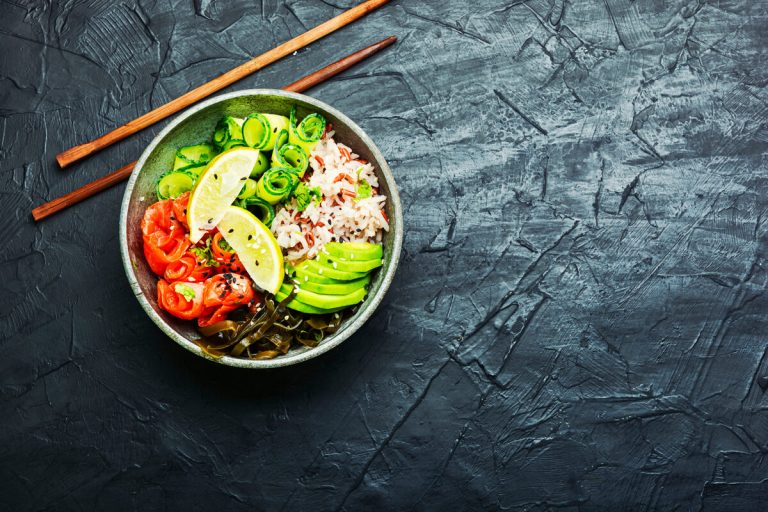
- Add fatty fish like salmon or sardines to your meals twice this week instead of olive oil-heavy dishes
- Replace high-oleic cooking oils with avocado oil or small amounts of regular olive oil for cooking
- Consider omega-3 supplements if you don't eat fish regularly—aim for 1-2 grams EPA/DHA daily
This research used mice with genetic cancer predisposition. Consult your doctor about cancer prevention strategies for your specific risk factors.